Uluwatu Surf Break Reference: Tides, Skill Levels, and Optimal Swell (2026)
Uluwatu surf break reference for 2026 — the reef sections, best tides, skill levels, and optimal swell window for one of the world's great reef breaks.
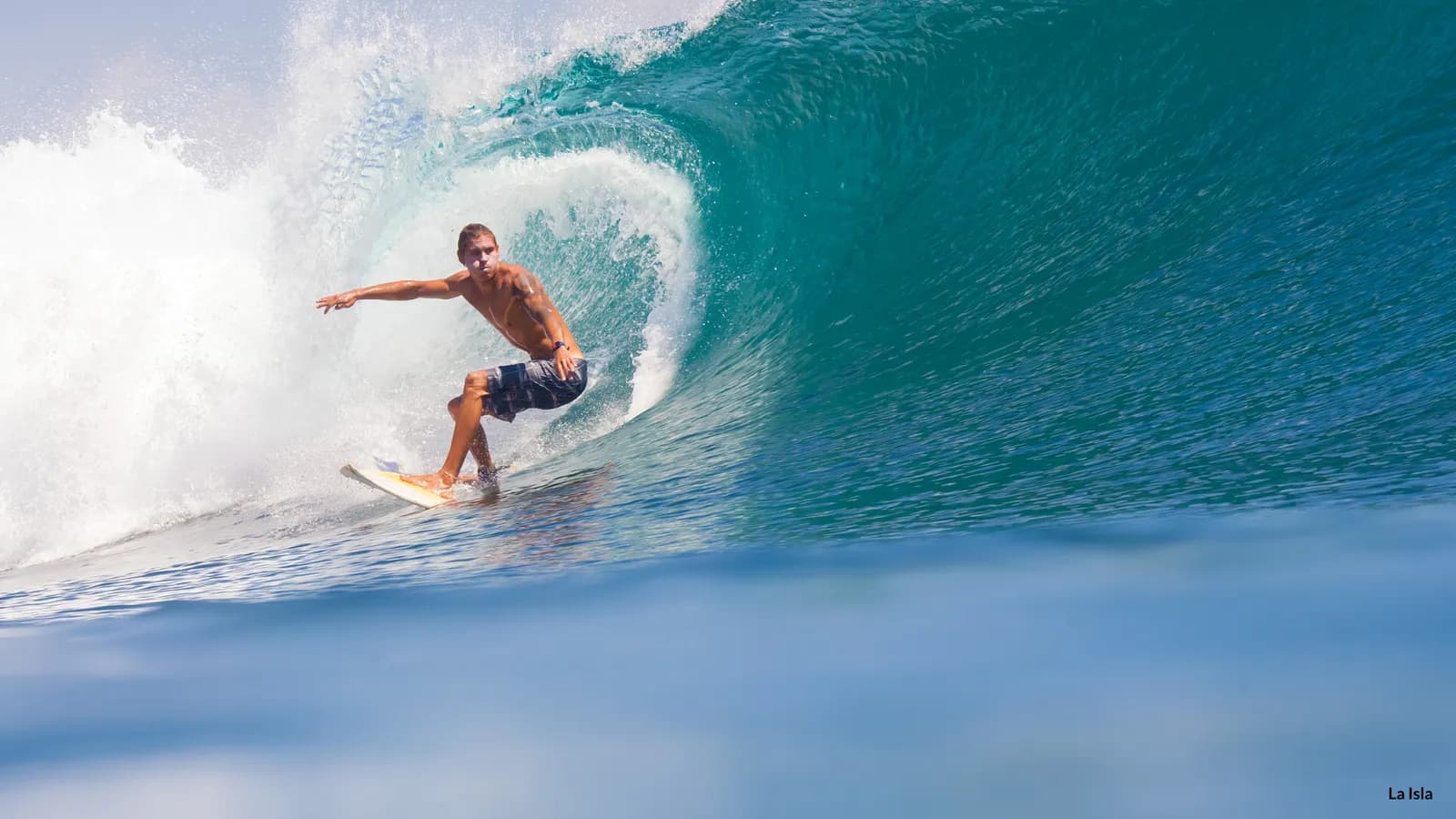
Anyone planning a surf trip to Bali needs a proper Uluwatu Surf Break Reference before paddling out, because the Bombie section alone can hold waves as large as 40 feet on the biggest days of the year. This guide breaks down the tides, skill levels, and optimal swell windows that define one of the world's most respected reef breaks, so you know exactly what you're getting into before you leave the boat ramp.
Key Takeaways
Swell window: Uluwatu accepts groundswell from 165° to 280°, one of the widest reception windows on the planet.
Peak reliability: Clean, surfable waves show up roughly 99% of the time during August, the heart of the dry season.
Skill range: Sections span from forgiving inside reef breaks to the advanced, heavy-water Bombie.
Tide sensitivity: The reef changes character dramatically between low, mid, and high tide, and timing your session matters as much as swell size.
Ride length: The Racetrack section can produce rides up to 300 meters, while linked runs at the Bombie stretch close to 2 kilometers on extreme swells.
Water temperature: Sea temperatures sit around 78.4°F in August 2026, so a spring suit or boardshorts are all you need.
Where to base yourself: Staying close to the break matters more than most surfers expect. Consider private villas in Uluwatu that put you minutes from the cliff-top stairs, and check the local experience offerings for board transport and day trip help.
Using This Uluwatu Surf Break Reference to Plan Your 2026 Trip
Uluwatu isn't one wave. It's a stretch of limestone reef broken into distinct sections, each with its own personality, tide preference, and skill requirement.
A single Uluwatu Surf Break Reference sheet won't tell you everything, but knowing the sections, the tide windows, and the swell direction gets you 90% of the way there. We built this reference for surfers booking trips in 2026 who want to match their ability and travel dates to the right conditions.
Below, we cover the mechanics of the reef, then get practical about where to stay so you're not commuting an hour to reach the break every morning.
Uluwatu Surf Break Reference: Sections, Reef, and Ride Lengths
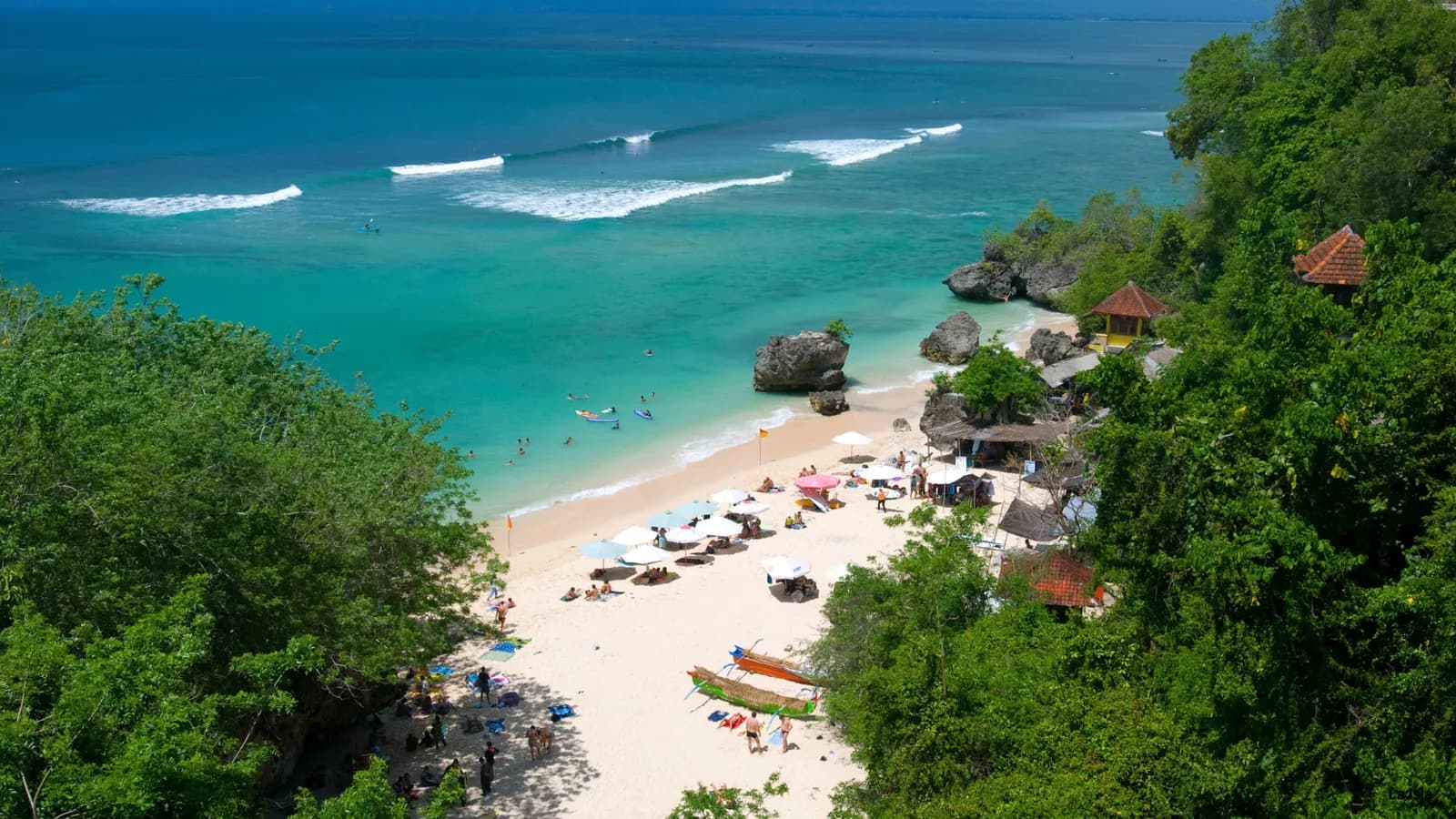
Uluwatu's reef runs roughly 2 kilometers along the cliff base, but no single ride covers that entire distance in one go.
The sections, from the channel out to the open ocean, generally break down like this:
Temples: The paddle-out point and a friendlier inside section, good for warming up.
Racetrack: A fast, hollow wall known for exceptionally long rides, occasionally reaching 300 meters on a good set.
The Peak: The main takeoff zone for intermediate to advanced surfers, busy on any decent swell.
Outside Corner: A heavier, more exposed section that connects to bigger sets.
The Bombie: A big-wave specialist break sitting further out to sea, capable of holding faces up to 40 feet.
On extreme swells, experienced surfers can link The Bombie into Outside Corner for a combined run approaching 2 kilometers, though that's a rare, once-or-twice-a-season occurrence rather than a daily reality.
Tides Guide: Best Tide Windows in the Uluwatu Surf Break Reference
Tide matters at Uluwatu more than at most beach breaks, since the entire setup sits on a shallow reef shelf.
Here's a general breakdown surfers use when checking conditions:
Low Tide — What Happens: Reef exposed in places, shallow and fast sections, more critical drops · Best For: Experienced surfers only
Mid Tide — What Happens: Generally considered the sweet spot, most sections working cleanly · Best For: Intermediate to advanced
High Tide — What Happens: Softer, more forgiving faces, some sections can go flat or mushy · Best For: Beginners at Temples, or bigger swells for everyone else
Checking the tide chart alongside the swell forecast before you paddle out saves you from getting caught on an exposed reef at the wrong moment.
Did you know? The Java Trench sits just offshore of Uluwatu, plunging between 3,000 and 7,000 meters deep, which lets ocean swells reach the reef at full strength without losing energy along the way.
Skill Levels Explained: Matching Your Ability to Uluwatu's Breaks
Every Uluwatu Surf Break Reference needs an honest skill breakdown, because this reef doesn't forgive overconfidence.
Here's how we'd sort the sections by ability level:
Beginner: Temples on a higher tide with small, clean swell. Even then, a guide or local escort is smart given the reef and current.
Intermediate: The Peak and inside Racetrack on moderate swells, ideally with several years of reef break experience elsewhere first.
Advanced: Outside Corner and full Racetrack on bigger, more powerful days.
Expert only: The Bombie, which demands big-wave experience, a solid support crew, and genuine comfort in heavy water.
If you're not sure where you fit, watching a session from the cliff-top warung before paddling out tells you more than any forecast site ever will.
Optimal Swell Direction and Period for Uluwatu in 2026
Swell direction is where Uluwatu separates itself from almost every other break in Bali.
The reef sits inside a swell window spanning 165° to 280°, more than a quarter of the entire compass. That's an enormous catchment area, and it explains why nearly 99% of Bali's groundswells arrive from within a tighter 195°–225° band that Uluwatu is perfectly positioned to receive.
Period matters just as much as direction. Long-period groundswells hitting the reef during peak season typically run 14 to 18 seconds, and that extra energy per wave is why a "moderate" forecast height at Uluwatu can feel far more powerful than the same number anywhere else.
Best Months and Season for Surfing Uluwatu This Year
The dry season, running roughly May through September, produces the most consistent offshore winds and the biggest, most organized swells.
August stands out as the most reliable single month, with clean surfable waves showing up around 99% of the time according to long-term forecasting data. Sea temperature stays comfortable too, sitting near 78.4°F in August 2026, so wetsuits are unnecessary for most surfers.
The wet season (November through March) still produces waves, but wind consistency drops and sessions become more of a gamble.
Did you know? During August, the peak surf month, Uluwatu produces clean, surfable waves an estimated 99% of the time, making it one of the most consistent reef breaks anywhere in the world.
Where to Stay Near the Uluwatu Surf Break: La Isla Villas
Getting the tide and swell timing right only helps if you're actually close enough to the break to act on it.
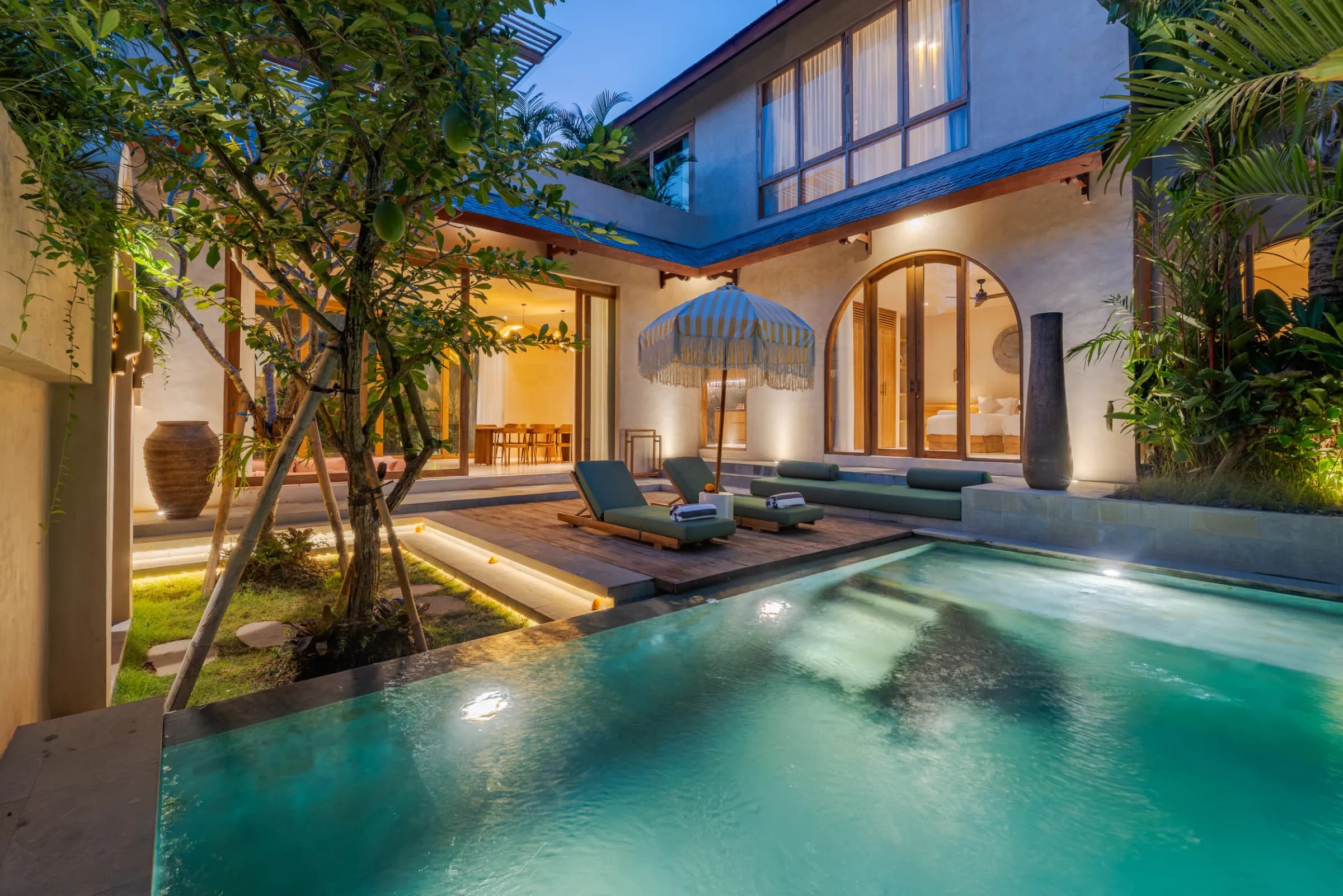
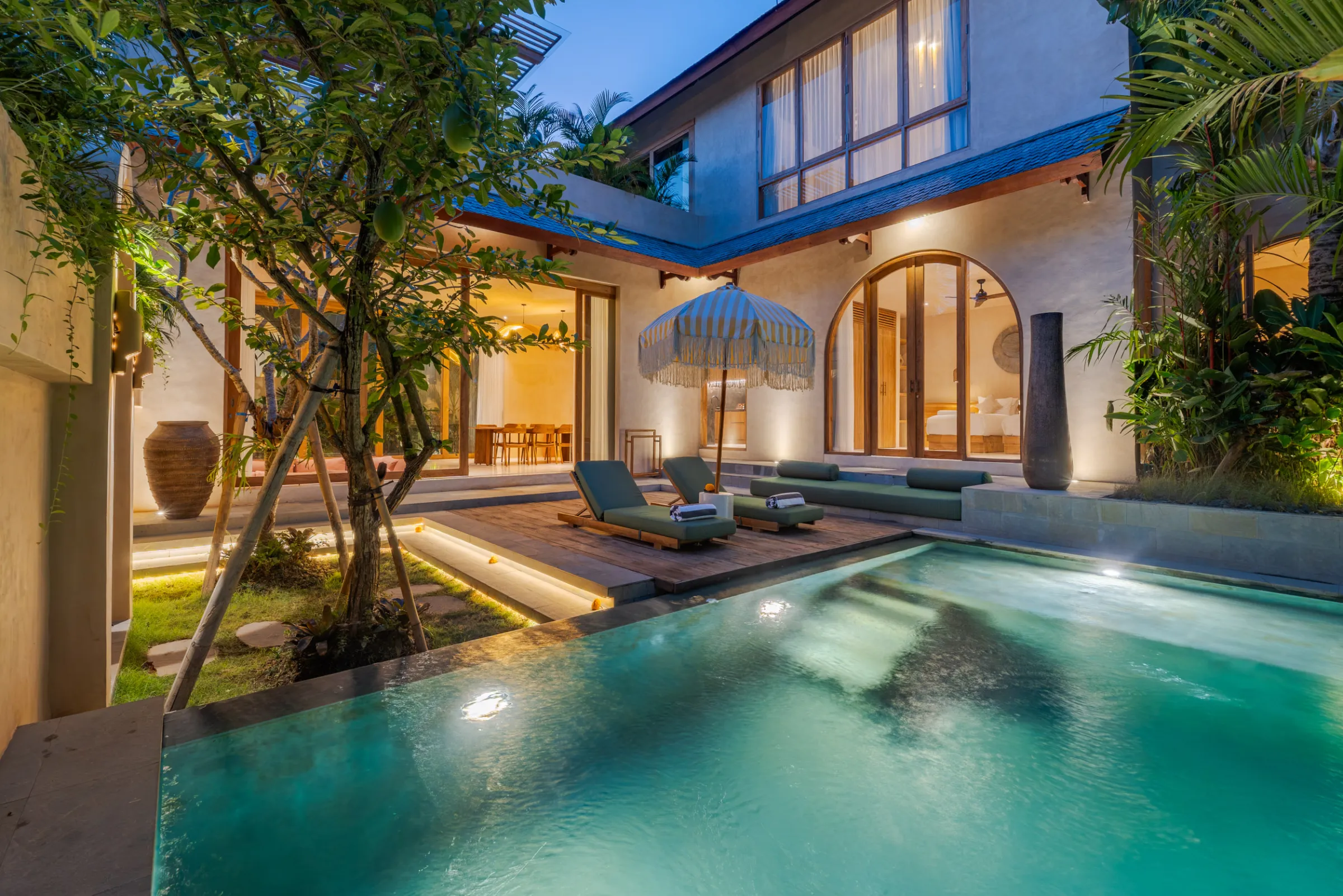
We're based right in Bingin, in the heart of the Uluwatu peninsula, with five private villas behind one gate, each self-contained, staffed, and entirely yours for the length of your stay.
Waking up near the cliffs means checking conditions from your own terrace instead of scrolling forecasts from a hotel across town.
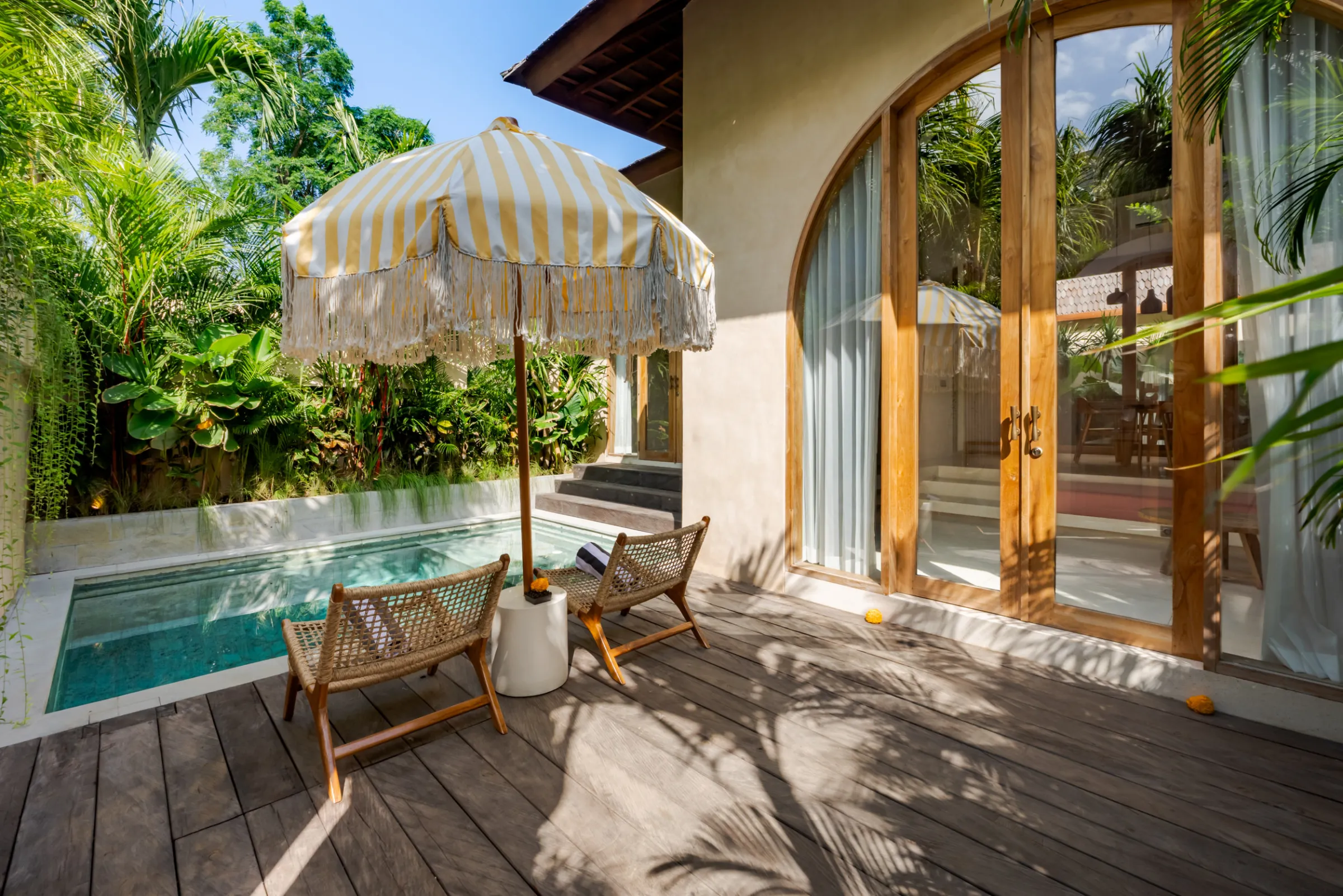
Villa One
Villa One features a private pool and outdoor terrace perfect for two, with one bedroom and a small terrace just big enough for two coffees and a slow start before dawn patrol.
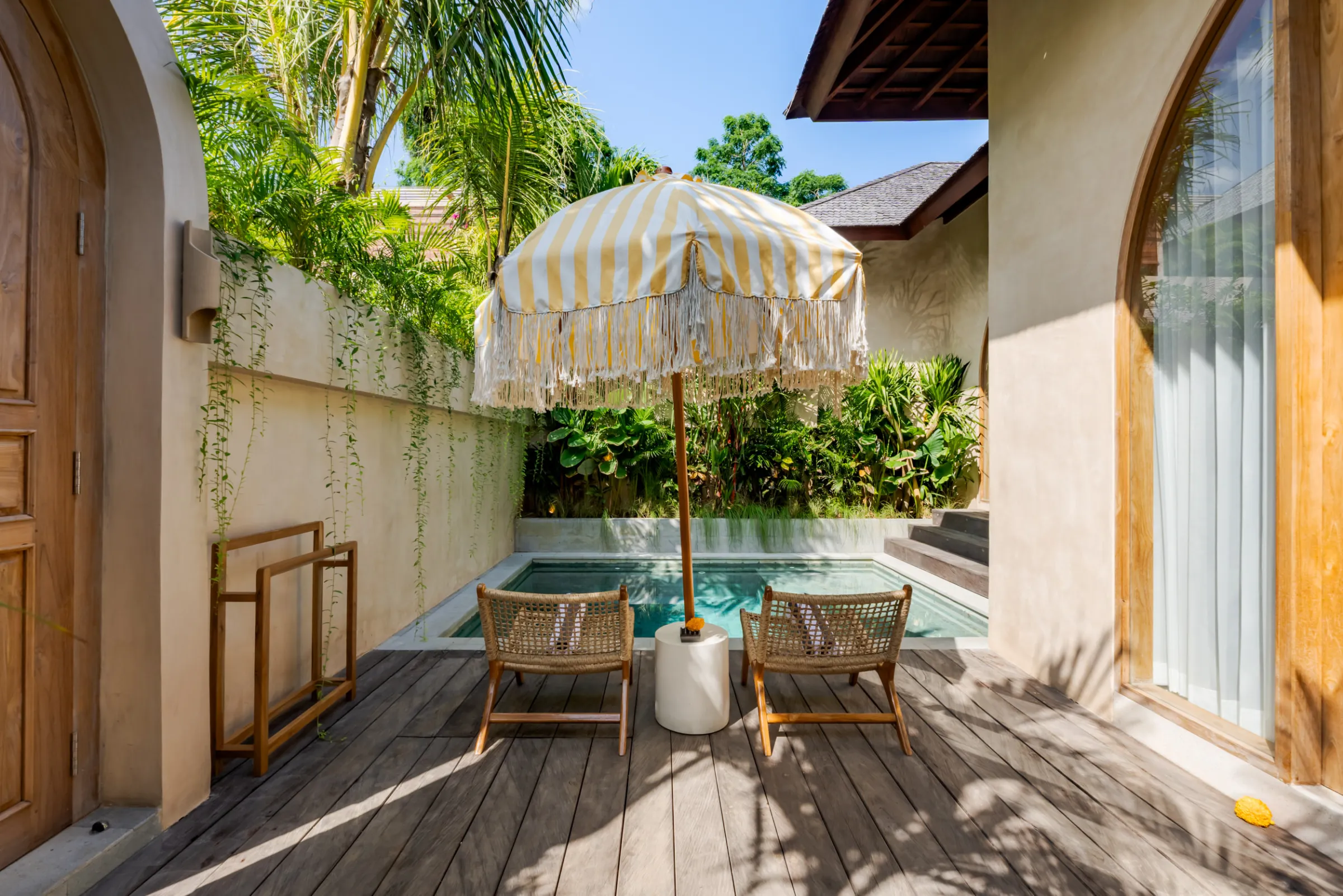
Villa Two
Villa Two sits deeper in the garden, shaded by old trees, with a bedroom that opens to a small terrace and its own private pool.
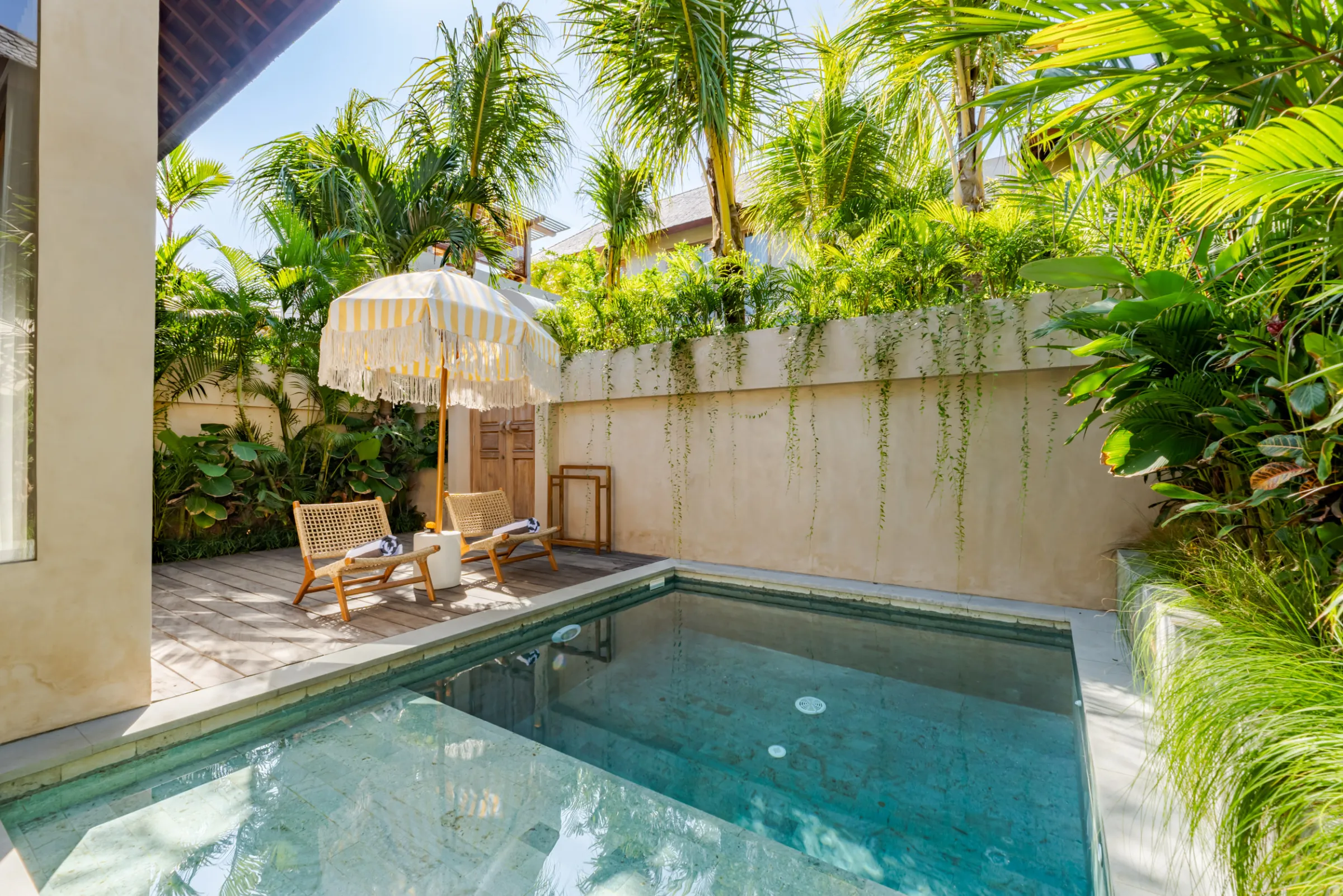
Villa Three
Set at the back of the property, Villa Three pairs a private pool wrapped in a small terrace with an outdoor shower under palms, ideal for rinsing off reef wax after a long session.
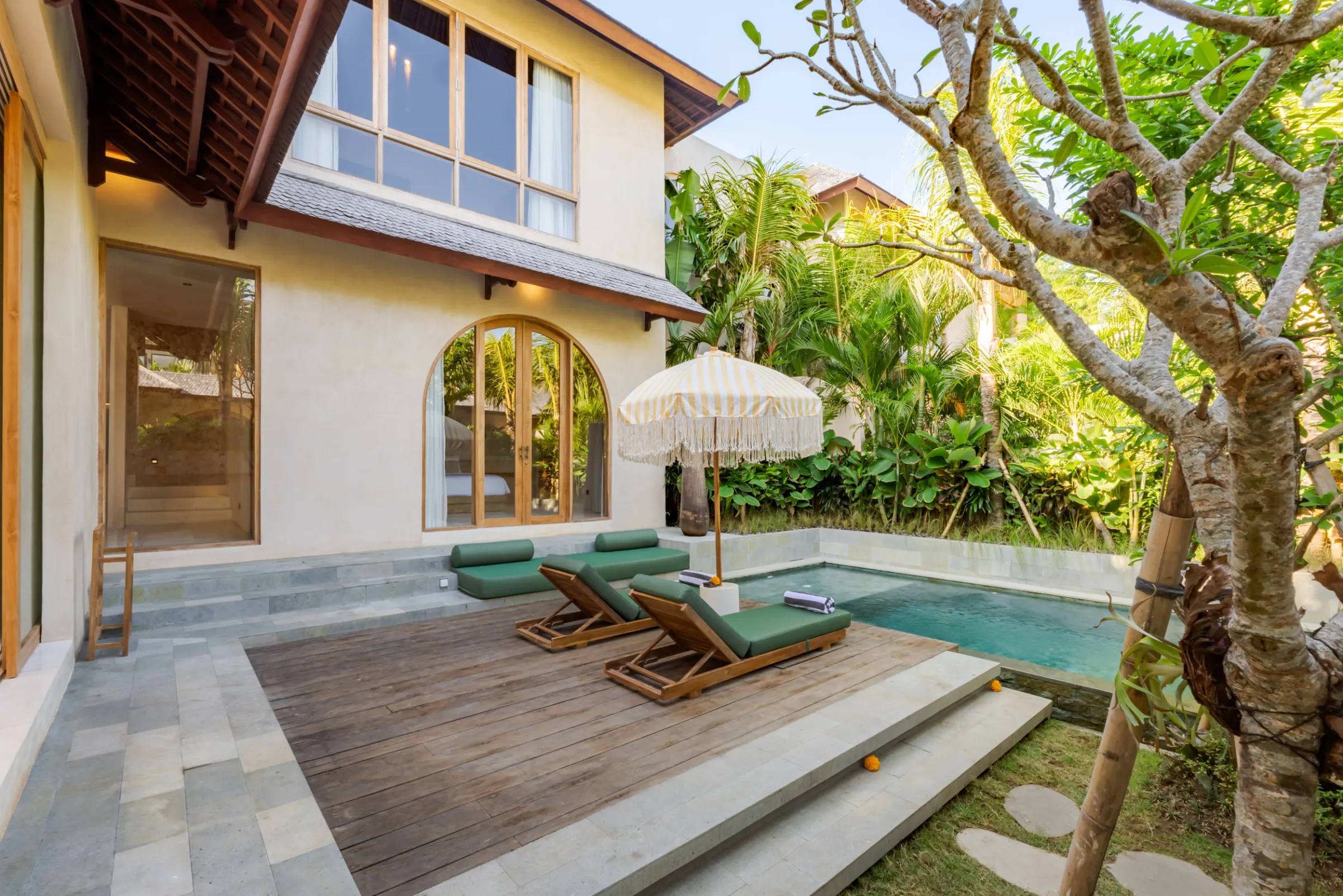
Villa Four
The two-storey option, Villa Four offers a big pool, a spacious downstairs living room, and a long upstairs terrace with its own plunge pool, sleeping up to four across two bedrooms.
Villa Five
Our family villa spans two bedrooms over two floors, with a downstairs pool, a long living room, and an upper plunge pool for the kind of evening that goes nowhere fast, perfect for surf trips with kids in tow.
Planning Logistics for Your Uluwatu Surf Trip
Beyond swell and tide, a few logistical details make or break a surf-focused stay in Uluwatu.
Board transport: Reef booties and a board bag help protect your gear on the cliff-top walk down to the water.
Local knowledge: A concierge who can arrange scooters, drivers, and day trips saves hours of guesswork, and we handle this through our WhatsApp concierge service.
Rest days: Plan floating breakfasts, in-villa massage, or private dining for the days the swell is flat or blown out.
Booking early: August and the surrounding dry season months fill fast given the consistency data, so locking in accommodation ahead of time matters as much as checking the forecast.
You can browse photos of the property and rooms in our villa gallery, or head straight to the booking page to lock in your dates.
Getting the swell forecast right is only half the job. The other half is being close enough to the reef to act on it the moment conditions line up.
Conclusion
A solid Uluwatu Surf Break Reference comes down to three things: knowing which section suits your skill level, timing the tide correctly, and matching your trip dates to the optimal swell window. With a 165° to 280° swell catchment, near-daily clean waves in August, and sections ranging from beginner-friendly Temples to the expert-only Bombie, Uluwatu rewards surfers who plan carefully and punishes those who don't.
Pair that planning with a base close to the cliffs, and you spend more time in the water and less time commuting to it. That's exactly what we built our five villas in Bingin to solve.
Frequently Asked Questions
Is Uluwatu good for beginner surfers in 2026?
Uluwatu works for beginners mainly at the Temples section on a higher tide with small, clean swell, and even then a local guide is recommended given the sharp reef below. Most of the other sections require solid reef break experience before paddling out.
What is the best tide for surfing Uluwatu?
Mid tide is generally considered the most reliable window in any Uluwatu Surf Break Reference, since it keeps most sections working cleanly without the extreme shallowness of low tide. High tide suits beginners at Temples, while low tide is best left to experienced surfers who can handle a more critical, exposed reef.
What swell direction works best at Uluwatu?
Uluwatu accepts swell across a wide 165° to 280° window, with the bulk of Bali's groundswells arriving from the tighter 195°–225° band. That massive reception area is a major reason Uluwatu stays consistent even when other Bali breaks go flat.
When is the best time of year to surf Uluwatu?
The dry season from roughly May through September offers the most reliable offshore winds and swell, with August standing out as the most consistent single month at close to 99% surfable days. Water temperature also stays comfortable around 78.4°F, so heavy wetsuits aren't needed.
How big can the waves get at Uluwatu's Bombie section?
The Bombie is a big-wave specialist section that can hold faces up to 40 feet on extreme swells, making it strictly expert-only territory. On the biggest days, rides here can link into Outside Corner for runs approaching 2 kilometers.
Is Uluwatu worth surfing for intermediate surfers in 2026?
Yes, intermediate surfers generally find good options at The Peak and the inside sections of Racetrack on moderate swells with several seasons of reef break experience behind them. It's still worth watching a session from the cliff first to judge whether conditions match your comfort level that day.
Where should surfers stay to be close to the Uluwatu break?
Basing yourself in Bingin or along the Uluwatu cliff-top cuts commute time down to minutes rather than an hour or more from areas like Canggu or Seminyak. Private villa stays, like our five self-contained villas behind one gate, put surfers within walking distance of the paddle-out points.